Screw the Algorithm: How Underground Artists Are Ripping the Power Back from Spotify
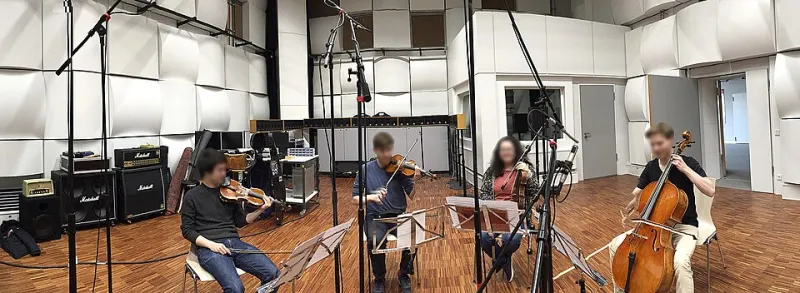
Photo: musicians: anonymous recording: Dieter Leckschat, CC BY-SA 4.0, via Wikimedia Commons
Let's be honest about what Spotify is. It's not a music platform. It's a content delivery machine optimized for engagement metrics, advertiser comfort, and its own bottom line. For the pop acts and major-label darlings who already have promo budgets and playlist pluggers on speed dial, it works fine. For everyone else — the noise artists, the DIY hardcore bands, the experimental beatmakers releasing limited-run tapes — it's a black hole that swallows your music and spits out $0.003 per stream.
But something is shifting. Across basements, Discord servers, Bandcamp pages, and obscure corners of the internet, underground musicians are quietly building something that looks a lot like a parallel music economy. And it's working.
The Algorithm Was Never Built for You
Here's the math nobody in the streaming industry wants to talk about: Spotify's Discover Weekly and Release Radar algorithms are trained on engagement data, which means they amplify what's already popular. An emerging noise-pop act from Albuquerque doesn't have the listener hours, playlist adds, or skip-rate data to compete with Olivia Rodrigo for algorithmic real estate. The system isn't broken — it's functioning exactly as designed. It just wasn't designed with underground culture in mind.
Sam Ramsden, who runs a small cassette label out of Richmond, Virginia called Murk Tapes, put it plainly in a recent interview: "We stopped chasing DSP playlists about two years ago. Every time we got a small algorithmic bump, it brought in casual listeners who'd stream once and leave. Our actual fans — the people who buy the tapes, come to the shows, tell their friends — we find them somewhere else entirely."
That "somewhere else" is increasingly a patchwork of tools and platforms that prioritize direct artist-to-listener relationships over engagement-maximizing middlemen.
Bandcamp's Quiet Resurgence
After years of uncertainty following Epic Games' acquisition and the subsequent sale to Songtradr — a messy chapter that included layoffs and a lot of hand-wringing from the indie community — Bandcamp has found its footing again under new ownership by Songtradr and, more recently, a return to independent operation. Whatever the corporate drama, the platform's core proposition never stopped being compelling: artists keep the majority of revenue, fans pay directly, and the whole transaction feels personal in a way that streaming never does.
Bandcamp Fridays, the monthly event where Bandcamp waives its revenue share, became something of a countercultural ritual during the pandemic years and never really went away. For underground labels and artists, it's become a reliable mobilization point — a day to drop new material, run limited vinyl pressings, and remind listeners that buying music is still a thing humans can do.
"Bandcamp is the closest thing we have to a record store that exists on the internet," says Deja Okafor, a Chicago-based experimental R&B producer who releases under the name Vessel Static. "When someone buys my album there, I know they actually want it. That relationship means something."
Discord, Newsletters, and the New Fan Club
Beyond Bandcamp, the infrastructure of underground music distribution has gotten surprisingly sophisticated. Discord servers have become de facto fan communities for mid-tier and emerging acts, offering everything from early track drops to direct Q&As with artists. Substack and Ghost newsletters give musicians a direct line to their most engaged listeners without fighting Instagram's algorithm for visibility. And platforms like Patreon and Bandcamp's subscription feature let artists monetize that relationship on a recurring basis.
This isn't just about money — though the economics are genuinely better when you're not splitting revenue six ways before it reaches your bank account. It's about cultural legibility. When an artist controls their own distribution, they control their own narrative. They decide what the artwork looks like, what the liner notes say, whether the album comes with a zine or a patch or a handwritten note. The listening experience becomes intentional rather than incidental.
Collectives like Hausu Mountain in Chicago and NNA Tapes in Burlington, Vermont have been operating this way for years, building devoted followings through sheer curatorial integrity and direct community engagement. They don't need algorithmic validation because their audiences already trust them.
The Technical Toolkit
For artists just starting to think about bypassing the DSP ecosystem, the options have never been more accessible. DistroKid and TuneCore still have their place for getting music on streaming platforms if that's part of the strategy — but they're just one piece of a larger puzzle. Tools like Mailchimp or ConvertKit for fan newsletters, Koji or Linktree for consolidating links, and Shopify or Big Cartel for merchandise storefronts give independent artists the infrastructure of a small business without needing a manager or a label deal.
Some artists are going even further, experimenting with Web3 tools like Mirror for publishing and Catalog for music NFTs — though that space has cooled considerably from its 2021 hype peak, and the practical utility for most underground artists remains limited. More immediately useful is the growing ecosystem of live-streaming platforms like Stageit and Mandolin, which let artists monetize performances directly without relying on venue revenue splits.
It's Cultural, Not Just Logistical
What's most interesting about this shift isn't the technology — it's the attitude behind it. There's a generation of underground artists coming up who never really believed in the streaming dream to begin with. They watched their older peers chase Spotify playlist placements and come up empty, and they drew their own conclusions.
The DIY ethos that's always been at the heart of punk, hardcore, and independent music culture is finding new expression in these digital tools. It's the same instinct that drove kids to xerox flyers and book their own tours in the '80s, updated for an era where your "venue" might be a Discord stage and your "flyer" is a newsletter drop.
The algorithm isn't going anywhere. Spotify will keep optimizing for engagement and Discover Weekly will keep feeding people comfortable, familiar sounds. But the underground has never needed permission from the mainstream to exist. It just needs its own infrastructure — and increasingly, it's building one.
If you're an artist or label doing something interesting in the DIY distribution space, hit us up at ALT1000. We want to hear about it.