Cut, Paste, Resist: The Underground Zine Makers Torching Corporate Music Journalism
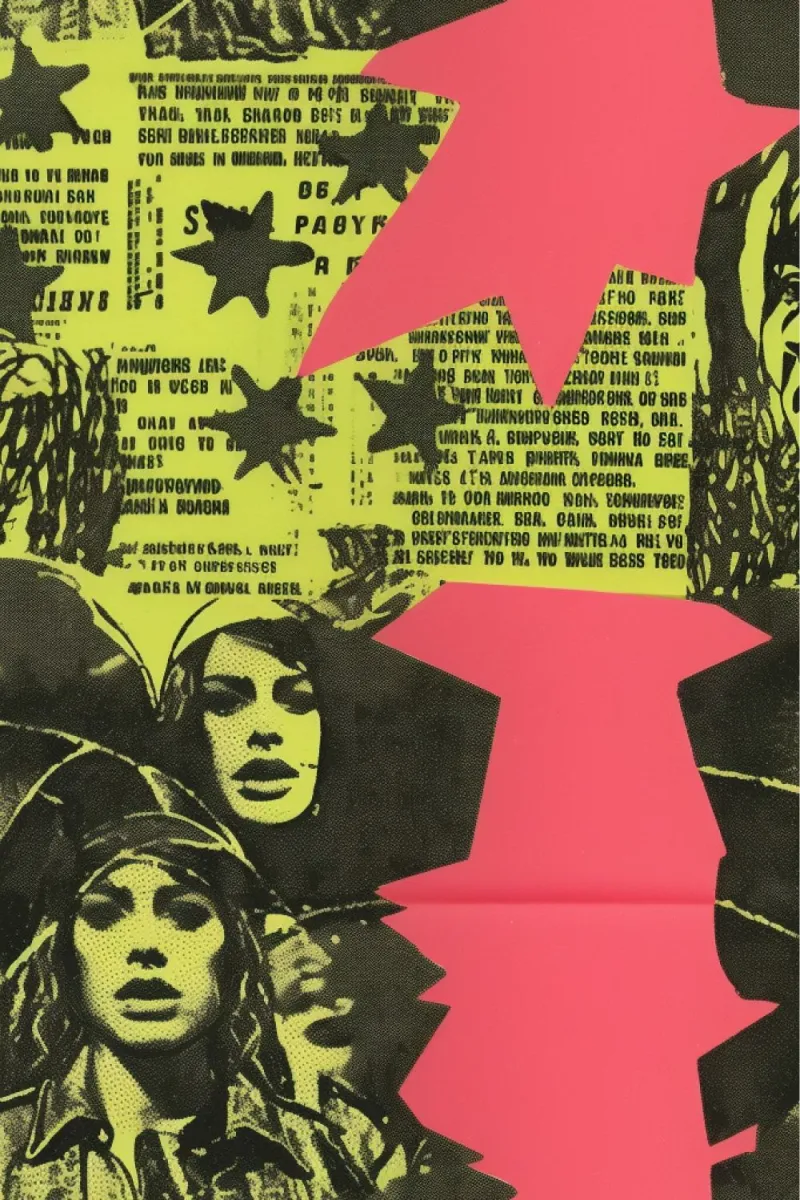
Photo: DIY zine fanzine music punk collage cut paste underground print, via i.pinimg.com
Pick up a copy of Xerox Wounds — a staple-bound, photocopied music zine out of Richmond, Virginia — and you'll find something almost impossible to locate in mainstream music coverage: an opinion. An actual, unhedged, we-don't-care-who-pulls-their-ad-buy opinion about a band, a scene, a cultural moment.
The reviews don't read like SEO copy. The interviews don't feel like publicist-approved press junkets. The layout is chaotic in that specific way that signals someone made this with their hands, their eyes, their actual taste — not a content team optimizing for session duration.
This is zine culture in 2025. And it's having a moment that feels less like a trend and more like a reckoning.
What Happened to Music Writing
Let's be honest about what happened to the publications that were supposed to cover underground and alternative music. The economics of digital advertising gutted editorial staffs across the board. Pitchfork — once the most influential indie music outlet in the country — was absorbed into Condé Nast and then effectively dismantled. Rolling Stone sold, restructured, pivoted. Spin barely exists. NME went fully digital and largely irrelevant.
What survived was content: listicles built for shares, reviews calibrated to avoid controversy, coverage weighted toward artists with press budgets and publicist relationships. The underground didn't disappear, but the mainstream music press largely stopped covering it — or started covering it only after it was already safe and profitable to do so.
Into that void stepped the zines.
The Zine Is Not New. The Context Is.
Fanzines have existed in American underground culture since at least the punk explosion of the late 1970s. Sniffin' Glue in the UK, Slash in LA, Search and Destroy in San Francisco — these publications weren't polished, weren't profitable, and weren't trying to be. They were communication tools for communities that didn't see themselves reflected anywhere else.
The zine tradition never fully died, but it's experiencing a genuine resurgence right now, and the reasons are specific to this cultural moment. When every mainstream platform feels compromised — when music journalism means aggregating press releases and streaming sites mean algorithmic playlists — the appeal of a photocopied, hand-distributed publication with zero corporate infrastructure starts to look less like nostalgia and more like clarity.
"I started Hollow Frequency because I was reading music coverage that felt like it was written by people who were scared," says Priya Nair, who publishes her zine out of Minneapolis and distributes it through record stores, shows, and a small subscription list. "Scared to say a bad album is bad. Scared to say a venue is badly run. Scared to have any relationship to the music except 'this is content.' I wasn't interested in that."
Hollow Frequency covers the Minneapolis and broader Midwest underground scene with the kind of specificity and honesty that no algorithm-optimized publication would risk. Nair pays for printing out of pocket, charges $3 or $4 per issue at the door, and has never made money doing it. She also has a waiting list for her subscriber copies.
The Postal Network Is Real
One of the more remarkable aspects of the contemporary zine renaissance is how it's rebuilt a physical distribution infrastructure that predates the internet — and is thriving precisely because it's analog.
Distro networks like Pioneers Press and Microcosm Publishing ship zines across the country and internationally. Zine fests — events dedicated entirely to small-press and self-published work — operate in cities from Portland to Detroit to New York to Austin, drawing thousands of attendees. The Portland Zine Symposium, one of the largest in the country, has seen consistent growth in participation from music-focused publications specifically.
And then there's the postal trading culture: zine makers swapping copies through the mail, building relationships across geographic boundaries, creating a community of writers and readers who are connected by physical objects moving through the actual postal system. There's something almost defiantly beautiful about that in 2025.
"I've gotten zines from people in Boise, in New Orleans, in rural Pennsylvania," says Tomás Guerrero, who publishes Static Press, a noise and experimental music zine out of Oakland. "We're all covering scenes that have basically nothing to do with each other geographically, but there's this shared language, this shared set of values about what music coverage should actually be. The zine is how we found each other."
What Zines Do That Music Sites Can't
The practical differences between zine journalism and digital music coverage are significant, but the philosophical differences are more interesting.
A zine operates without a comments section, without a real-time analytics dashboard, without an advertising relationship to protect. The writer has no financial incentive to soften a negative review, no SEO reason to cover an artist they don't actually care about, no algorithm rewarding them for posting about whoever is trending this week. The result is coverage that reads, almost jarringly, like it was written by someone with genuine convictions.
"I gave a record a two out of ten once," says Nair, laughing. "The label emailed me and I just... didn't respond. There's nothing they can do. They're not pulling an ad. They're not threatening to pull access because there's no access to pull. It's incredibly freeing."
That freedom produces writing that feels categorically different from what major publications offer. The best zines aren't just covering music — they're arguing about it, contextualizing it, connecting it to politics and community and history in ways that require actual editorial courage.
The Aesthetic Is Political
The look of a contemporary music zine is not accidental. The photocopied pages, the cut-and-paste layouts, the hand-drawn illustrations, the deliberate imperfection — all of it signals a rejection of the slick, professional visual language of corporate media. It's the same impulse that drives cassette culture: an insistence that the form of a thing communicates something about its values.
A zine that looks like it was made at 2 a.m. with a borrowed copier is telling you something about its relationship to the music industry. It's telling you it has no interest in being mistaken for a press release.
For the communities these publications serve — punk and hardcore scenes, noise and experimental communities, underground hip-hop, DIY folk, queer music spaces — that visual language carries real meaning. It signals trust. It signals that this publication is of the scene, not observing it from outside.
The Void Isn't Going to Fill Itself
Major music publications aren't coming back. The economic model that supported robust editorial staffs covering underground music with depth and independence is gone, and there's no structural reason to believe it's returning. What fills that space matters.
Zines aren't a perfect substitute. They're local where the internet is global, scarce where digital is abundant, slow where feeds are real-time. But those limitations are also their strengths. A zine about the Richmond punk scene, written by someone who goes to every show and has opinions about all of it, is doing something that no national publication can replicate — and that no algorithm will ever surface.
The people making Xerox Wounds and Hollow Frequency and Static Press aren't trying to replace Pitchfork. They're building something with a completely different set of values, for communities that were never really served by the publications that just collapsed.
That's not a consolation prize. That's the whole point.