Cease and Desist This: Underground Producers Are Refusing to Let Big Labels Bury the Art of Sampling
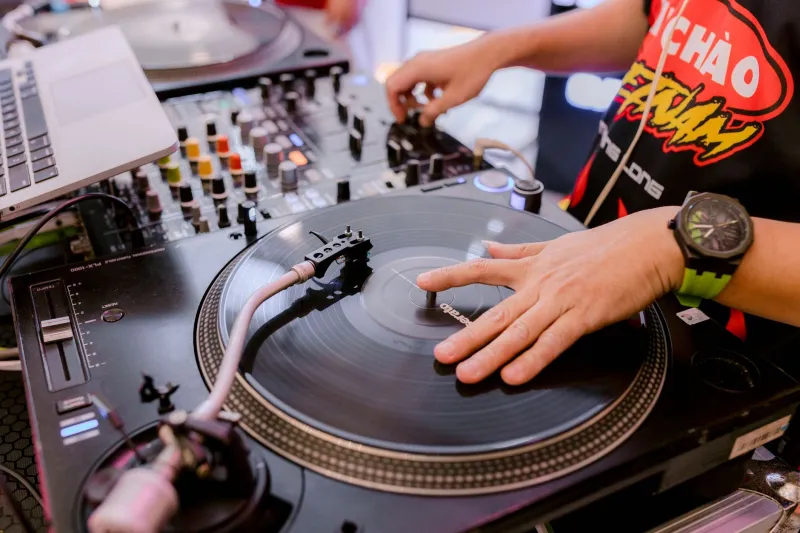
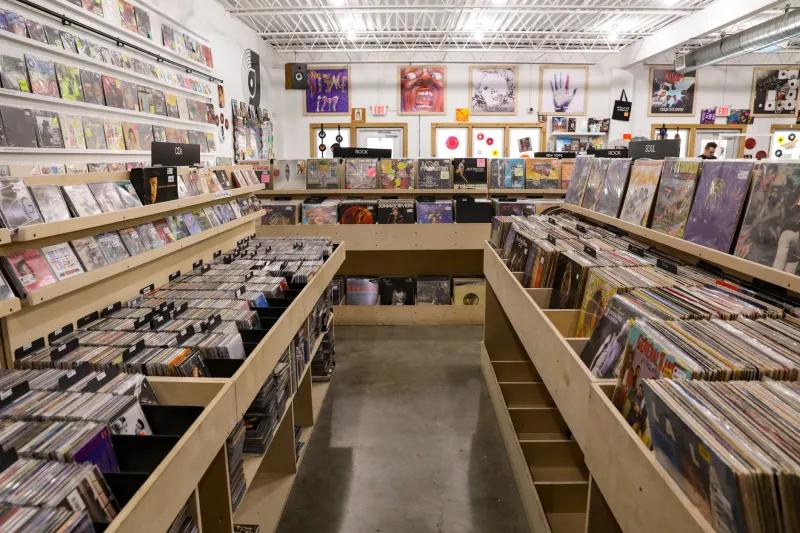
Somewhere in a basement in Detroit, a producer known as Svelte Wreckage just deleted three years of unreleased beats from his hard drive. Not because they were bad. Not because he lost interest. Because a letter showed up — on actual paper, with an actual law firm's letterhead — telling him that a two-second horn stab lifted from a 1973 soul record he found at a Goodwill in Hamtramck belonged to a publishing conglomerate he'd never heard of, and that using it constituted willful copyright infringement.
He's not alone. Across the underground hip-hop and electronic music communities, a quiet purge is happening. Producers who've spent years building catalogs out of crate-dug obscurities are getting hit with cease-and-desist letters, DMCA takedowns, and in some cases, outright legal threats that carry the kind of financial consequences that could wipe out an independent artist's entire livelihood. The suits found the basement. And they brought lawyers.
How We Got Here
Sampling is as old as hip-hop itself. From the Bronx block parties of the '70s to the golden era boom-bap of the late '80s and early '90s, the art of taking a piece of someone else's recorded sound and transforming it into something entirely new has always been central to the culture. It's not theft — it's conversation. It's archaeology. It's one of the most distinctly American creative traditions we have.
But the legal framework never caught up with the culture. The landmark 1991 case Grand Upright Music v. Warner Bros. — the one that came down on Biz Markie for sampling Gilbert O'Sullivan — effectively told producers to clear everything or face the consequences. Then in 2004, Bridgeport Music v. Dimension Films doubled down, ruling that even a single note sampled without clearance was infringement. No de minimis exception. No "it's so small it doesn't matter." Just: clear it, or we'll come for you.
For major-label artists with legal teams and budgets, clearance is annoying but manageable. For an underground producer pressing 300 copies of a tape and selling them at shows? The system isn't just inconvenient. It's existential.
The New Enforcement Wave
What's changed in the last few years isn't the law — it's the enforcement machinery. Rights aggregators and publishing companies have gotten dramatically better at using audio fingerprinting technology to identify samples across streaming platforms, Bandcamp pages, SoundCloud uploads, and even YouTube lo-fi mixes. Algorithms are doing the hunting now, and they don't care whether your flip is a masterpiece or whether the original record hasn't sold a copy since Reagan was in office.
Producers we spoke to described a pattern that's become grimly familiar. You put a project on Bandcamp. A few months later, you get a platform takedown. Then comes the email — or the letter — from a law firm representing a publishing entity that holds rights to a record you paid two dollars for at a flea market. They want a retroactive license fee. They want a percentage of sales. Sometimes they want both. And if you don't respond, or can't pay, they escalate.
"They don't care about the money from me specifically," says one Chicago-based producer who asked to remain anonymous after receiving two separate C&D letters in 2023. "They care about establishing that they own everything. I'm just a test case. They want to make an example."
The DIY Legal Underground
Here's where it gets interesting. Because the underground doesn't fold quietly. In response to the escalating legal pressure, a scattered but growing network of musicians, lawyers, and legal advocates is building something that looks a lot like a mutual aid system for intellectual property defense.
Groups like the Music Modernization Act coalition and organizations such as the Future of Music Coalition have been pushing on the policy level for years. But at the street level, something more immediate is emerging. Producer collectives are pooling resources to retain sympathetic entertainment attorneys on retainer. Discord servers and subreddits dedicated to underground hip-hop now have dedicated channels where producers share legal templates, compare notes on which publishers are most aggressive, and flag which sampling techniques are most likely to trigger automated detection.
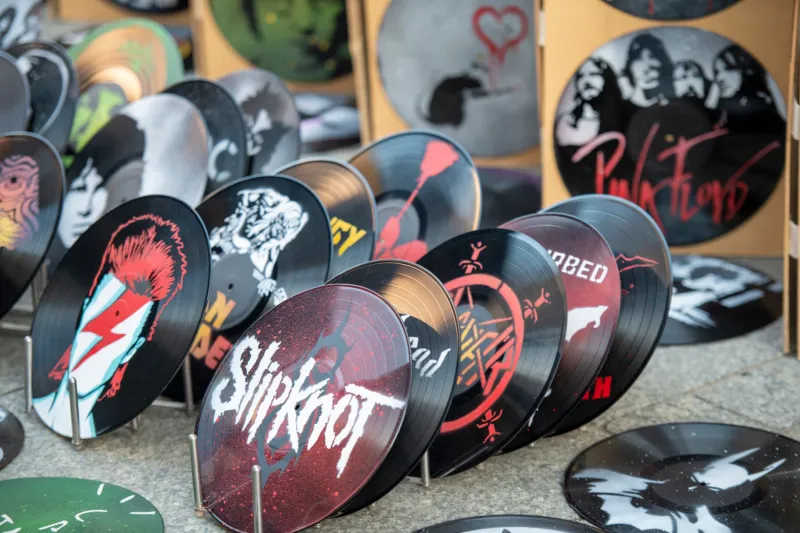
Some producers have gone further, deliberately releasing music only through encrypted file-sharing networks, private Telegram channels, and physical media — cassettes, CDRs, hand-stamped records — that exist entirely outside the digital fingerprinting ecosystem. It's a throwback to the mixtape era, and for some, that's exactly the point.
"The labels killed the mixtape culture once before," says DJ and producer Lena Thrace, who runs a small cassette label out of Philadelphia. "We just rebuilt it somewhere they couldn't see it. We'll do it again."
Fair Use: The Argument That Won't Quit
Legal scholars and music attorneys sympathetic to the underground have long argued that transformative sampling should qualify for fair use protection — the same doctrine that allows parody, commentary, and criticism to exist without licensing. Courts have been inconsistent on this, but recent cases have offered some glimmers. The Supreme Court's 2023 decision in Andy Warhol Foundation v. Goldsmith complicated the fair use landscape in ways that cut both ways, but advocates argue that truly transformative musical works — where the sample is unrecognizable, repurposed, and contextually altered — should still have a legitimate claim.
The problem is that most underground producers can't afford to make that argument in court. Litigation is expensive. Defending yourself against even a frivolous copyright claim can cost tens of thousands of dollars before you ever see a courtroom. The legal system, by design or by accident, functions as a financial deterrent that punishes the small and rewards the large.
"Fair use is real," says Marcus Webb, an entertainment attorney in Los Angeles who has represented several independent producers pro bono. "But it's a defense, not a shield. You have to get sued first. You have to show up and fight. Most of my clients can't do that, and the labels know it."
What the Underground Is Actually Building
What's emerging from all of this isn't surrender — it's adaptation. Producers are getting creative about how they clear samples, approaching small independent labels and estate holders directly and often finding them far more willing to negotiate than the publishing conglomerates that have absorbed their catalogs. Others are leaning into sample-free production workflows that still carry the sonic DNA of the crate-digging tradition — chopped live instruments, interpolation, original recordings that nod to vintage sounds without technically reproducing them.
And some are simply deciding that the legal risk is worth it. That the culture is worth it. That making a beat from a forgotten piece of recorded history and giving it new life is not a crime, regardless of what a court in 1991 decided.
The sample police are real. The letters are real. The financial damage is real. But so is the art, and so is the community protecting it.
Svelte Wreckage, by the way, started over. New hard drive. New beats. Same two-dollar records from the same Goodwill. He's not putting them on streaming this time.