The Platforms That Promised Us Freedom Are Quietly Picking Our Pockets

There was a moment — maybe you remember it — when Bandcamp felt genuinely sacred. A place where a bedroom pop artist in Akron could sell a hand-dubbed cassette directly to a kid in Portland, where the money actually moved in the right direction, where the whole transaction felt like a middle finger aimed squarely at the music industry's throat. That moment is getting harder to find.
Because here's the uncomfortable truth that's been building for a while now: the platforms that marketed themselves as the antidote to corporate exploitation are increasingly running the same playbook. Quietly. Incrementally. With just enough goodwill left in the tank to keep artists from noticing until it's too late.
The Bandcamp Betrayal Nobody Wanted to Say Out Loud
Let's start with the one that stings the most. When Epic Games acquired Bandcamp in 2022, the underground music community collectively held its breath. Then, when Songtradr swooped in and bought it in 2023 — gutting roughly half the staff in the process — that held breath turned into a collective scream.
But the problems didn't start with the acquisition. Artists had been quietly grumbling for years about Bandcamp's revenue split, which takes 15% of digital sales and 10% of merch after an artist clears $5,000 in revenue. For a small-run artist moving maybe a few hundred dollars a month, that threshold might sound achievable — but it's not a one-time milestone. It resets annually. Miss it one year and you're back to handing over a larger cut. And while 15% sounds modest compared to what Spotify offers (which is essentially pennies dressed up as a percentage), it adds up fast when you're already operating on nothing.
Post-Songtradr, artists started reporting slower payouts, buggy storefronts, and a customer support structure that had basically evaporated. Fan communities that had been cultivated over years — comment threads, wishlists, follower counts — became unreliable or disappeared entirely. The infrastructure that made Bandcamp feel like home started rotting from the inside.
Patreon's Promise vs. Patreon's Reality
Patreon pitched itself as a patronage model reborn for the internet age. Pay your favorite artist a few bucks a month, get exclusive content, sustain the work you love. For a certain tier of underground musician — the kind who tours regionally, puts out one record every two years, and has a deeply loyal but numerically small fanbase — it seemed like a lifeline.
Except Patreon has been steadily increasing its platform fees, which now range from 5% to 12% depending on the tier you're on, stacked on top of payment processing fees that can eat another 2-3%. Do that math on a creator pulling in $800 a month from 60 subscribers — which is actually a solid Patreon for an underground musician — and you're watching a meaningful chunk of that disappear before it ever hits your bank account.
Then there's the algorithm problem. Patreon's discovery features have always been weak, but the platform has increasingly pushed creators toward a content-volume model that rewards podcasters and YouTubers, not musicians dropping an EP twice a year. Underground artists don't fit the engagement metrics Patreon optimizes for, and the platform has shown almost no interest in fixing that.
And when creators leave or get deplatformed — which has happened to politically outspoken artists, experimental acts, and anyone adjacent to content Patreon's moderation team decides is too risky — they lose everything. The subscriber list. The community. The recurring revenue. Gone.
Ko-fi and the Illusion of the Tip Jar
Ko-fi has positioned itself as the scrappier, friendlier alternative — a digital tip jar with a shop attached. And for a while, it worked. No monthly subscription required, lower fees, a more casual relationship between artist and supporter.
But Ko-fi's shop functionality has become increasingly unreliable for artists trying to run actual commerce through it. Sellers report delayed payouts, unclear policies around digital goods, and a support team that responds on its own timeline. The platform's fee structure — free tier with a 0% cut, but with PayPal processing fees eating into every transaction — sounds generous until you realize how many artists are quietly eating costs they didn't budget for.
More critically, Ko-fi has no real community infrastructure. It's a transaction platform wearing a community's clothing. When artists try to build something durable there, they find out fast that there's no soil to root in.
What Happens When Your Escape Route Becomes Another Cage
Here's what all of these platforms share: they made a promise to underground artists that they could not — or chose not to — keep. The promise was autonomy. What got delivered was a slightly more palatable version of the same dependency that artists were trying to escape in the first place.
And the damage isn't just financial. It's structural. When a musician builds their entire direct-to-fan pipeline through Bandcamp and that platform destabilizes, they don't just lose a storefront. They lose years of customer data they never actually owned. They lose the social proof of accumulated reviews and followers. They lose the discoverability they built through the platform's internal search. They built their house on someone else's land, and the landlord sold the property.
This is the part the "just use artist-friendly platforms" crowd never fully reckons with: there is no platform that is structurally incapable of becoming extractive. Every platform that takes a cut, controls your data, or owns the infrastructure you depend on has the capacity to pivot against your interests. It's not a matter of values. It's a matter of incentives.
The Artists Building Their Own Infrastructure
Some people are done waiting for a better platform to arrive. A growing number of underground artists are moving toward direct email lists — through tools like Mailchimp or the increasingly popular Substack, despite its own set of complications — combined with simple personal websites running WooCommerce or even just direct PayPal and Venmo links for merch.
It's unglamorous. It doesn't have the discoverability of a Bandcamp. But it's theirs. The list doesn't disappear when a company gets acquired. The transaction data belongs to the artist. The community, such as it is, lives in their inbox rather than on someone else's server.
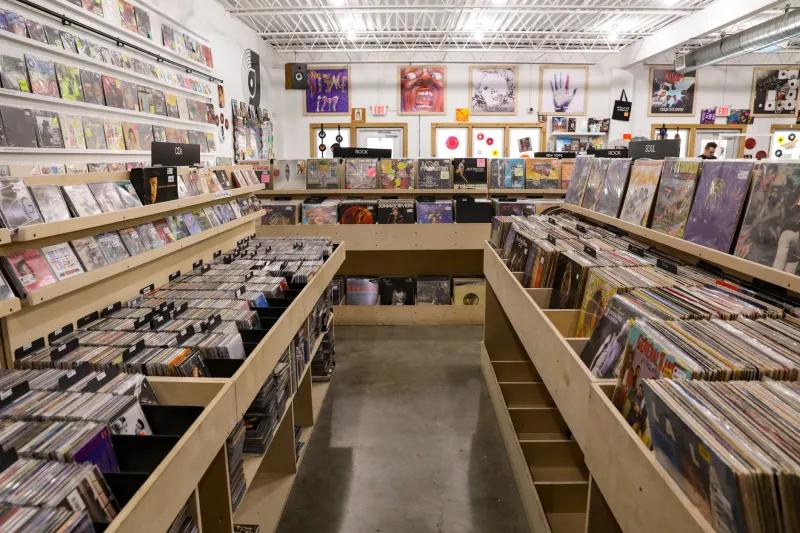
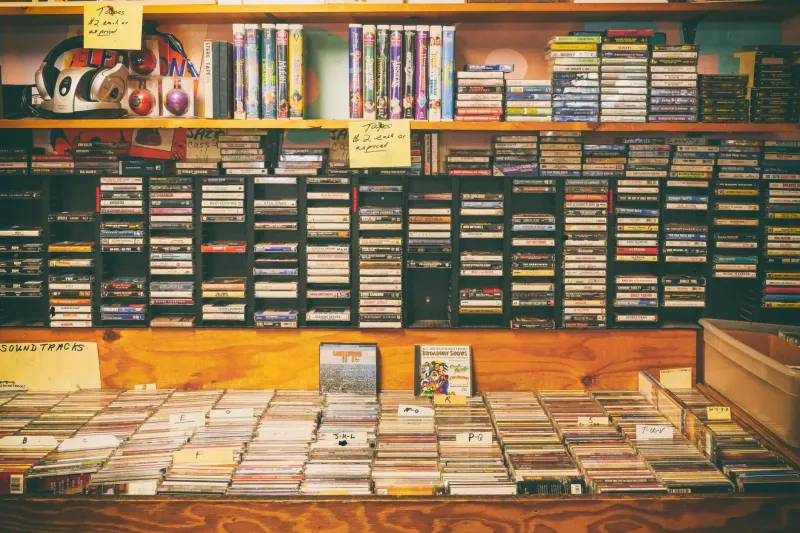
Other artists are going even further back to basics — selling at shows, consigning through independent record stores, running physical mail-order operations out of their apartments like it's 1994. Which, honestly? Respect.
The Lesson the Underground Keeps Having to Learn
The music industry has always found a way to extract value from the people actually making the music. That's not a cynical take — it's just the history. What changes is the mechanism. In the '70s it was shady label contracts. In the '90s it was SoundScan manipulation. In the 2010s it was streaming rates. Now it's platform fees and deleted communities and terms-of-service changes buried in emails nobody reads.
The underground has always survived by building its own structures. The question isn't whether these platforms will eventually fail the artists who depend on them — they will, or they already have. The question is how fast the DIY community can stop trusting the escape route and start building the door itself.
Because every platform that promises freedom while holding your data hostage isn't a revolution. It's just a better-designed cage.