Pressing Problems: The Harsh Truth About Physical Media That Nobody in the DIY Scene Wants to Admit
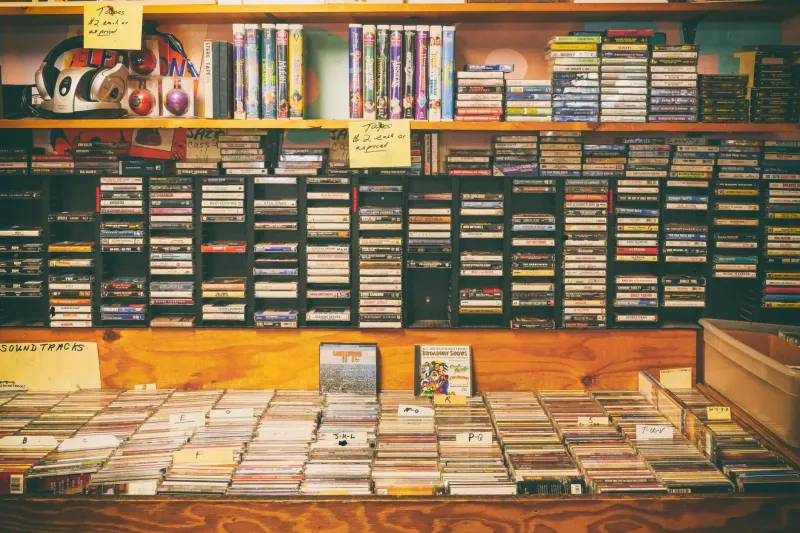
There's a box in the back of Maya Chen's Chicago apartment that she doesn't like to talk about. It's stuffed with 300 copies of her debut EP on cassette — hand-dubbed, hand-labeled, shipped to her at considerable personal expense after a crowdfunding campaign that she describes, diplomatically, as "a learning experience." She sold forty of them. Her Bandcamp streams, meanwhile, have crept past 18,000 plays. The math isn't complicated. The lesson, though, took real money to learn.
"Everyone told me cassettes were the move," she says. "Like it was this badge of legitimacy. And I bought into it completely."
She's not alone. Across the American underground, a quiet reckoning is underway — one that's bumping up against the feel-good narrative that physical media is the antidote to everything wrong with the streaming economy. Vinyl, cassettes, CDs: they've all been repackaged as acts of resistance, symbols of artistic integrity, ways to "own" your music in an era when Spotify pays fractions of pennies. And while there's genuine beauty in that impulse, the reality for most indie and underground artists is considerably messier.
The Nostalgia Industrial Complex
Let's be clear about what's actually driving the physical format revival, because it's not purely grassroots. Record pressing plants, cassette manufacturers, and CD duplication services have a vested interest in keeping the mythology alive. So do the music publications — including, frankly, some of the more credulous corners of the alt press — that publish breathless think-pieces about vinyl's "comeback" every eighteen months like clockwork.
The numbers do tell a partial truth. Vinyl sales in the US hit a 35-year high in recent years, and cassette sales have ticked upward for over a decade straight. But dig into who's actually moving those units and the picture shifts dramatically. Taylor Swift's vinyl variants. Harry Styles. Legacy reissues from major labels with deep marketing budgets. The physical format boom, at the commercial level, is largely a mainstream phenomenon being dressed up in underground clothing.
For an independent artist pressing 200 copies of their record? The economics are brutal. Vinyl pressing costs have surged — supply chain chaos and plant backlogs drove prices sky-high post-pandemic, and they haven't fully recovered. A run of 300 LPs can easily cost $2,000 to $3,500 once you factor in mastering, artwork, and shipping. At $25 a pop retail, you need to sell nearly every single copy just to break even. And that's before you account for the copies you're handing to press, trading with other bands, or watching quietly gather dust on your merch table.
Format Roulette: Which Scenes Actually Move Units
Here's where the conversation gets more nuanced, because it's not that physical media never works — it's that the wrong format for the wrong genre is basically money on fire.
Cassettes, despite their meme-level ubiquity in indie discourse, genuinely make sense in specific contexts. Harsh noise, lo-fi bedroom pop, certain strains of black metal — these are scenes where the format's inherent murkiness is aesthetically appropriate and where the collector fanbase is real and engaged. If you're a dungeon synth artist with a dedicated Bandcamp following, a limited cassette run of 50 copies will sell out. If you're an indie folk singer-songwriter hoping cassettes will make you seem more authentic to a general audience, you're probably kidding yourself.
CDs, weirdly, are having a quiet, underreported moment — but again, it's context-dependent. Older audiences, particularly in the Americana and roots rock spaces, still buy CDs. So do certain international markets. And CDs are dramatically cheaper to manufacture than vinyl, which means the break-even math is far more forgiving. Artists like Portland-based folk duo The Wren Collective have found that selling CDs at regional farmers markets and small theater shows outperforms their vinyl sales three-to-one, simply because their audience skews forty-plus and still has disc players in their cars.
Vinyl is the prestige format, the one that carries the most cultural weight — and therefore the one most likely to wreck a small artist financially when deployed carelessly. Unless you have a genuine, proven fanbase that has demonstrated willingness to spend $25-$30 on your music, a vinyl press run is a gamble, not a strategy.
The Authenticity Lie
Maybe the most insidious part of the physical media revival narrative is the implicit suggestion that releasing your music on a tangible format makes it more real — more valid, more underground, more worthy of respect. It's a seductive idea, and it's mostly nonsense.
Authenticity isn't a format. It's not a medium. It's not a manufacturing decision. The most authentic records ever made were released on whatever was available at the time — and plenty of genuinely soulless, corporate cash-grab music has been pressed onto beautiful 180-gram wax. The conflation of physical media with artistic integrity is a marketing invention, and underground artists who've internalized it as gospel are often the ones taking the biggest financial hits.
Jordan Reyes, a DIY hardcore artist based in Philadelphia who's been releasing music under various project names for a decade, put it plainly: "I pressed vinyl once. I was so proud of it. It looked incredible. I still have 150 copies. My bandmates still have 150 copies. Meanwhile, the stuff I dropped on Bandcamp for free has been downloaded thousands of times and I still get messages about it. Which one actually reached people?"
What Actually Works (A Pragmatist's Guide)
None of this is an argument for abandoning physical media wholesale. It's an argument for being strategic, clear-eyed, and honest with yourself about why you're doing it.
If you're going physical, do it in small, genuinely limited runs that create real scarcity rather than the performative kind. Use it as a merch item, not a distribution strategy. Sell it at shows, not through a distributor who's going to take 30% and leave your record in a warehouse. Make the physical object actually special — interesting packaging, hand-numbering, something that justifies the premium.
And for the love of everything underground, don't go into debt for it. The streaming economy is genuinely exploitative and the frustration that drives artists toward physical formats is completely valid. But exchanging Spotify's exploitation for a box of unsold cassettes in your closet isn't resistance — it's just a different kind of loss.
Maya Chen, for her part, has recalibrated. She's still making music, still releasing it physically when it makes sense — but she sold her last run of cassettes in batches of twenty through her mailing list, made back her costs, and didn't press a single copy more than she'd pre-sold. "I stopped trying to prove something with the format," she says. "The music is what it is. The tape is just a tape."
That's the lesson the nostalgia economy keeps trying to obscure: the format doesn't make the art. The art makes the art. Everything else is packaging.