Spinning Against the Machine: Why Underground Radio DJs Are the Last Real Tastemakers Standing
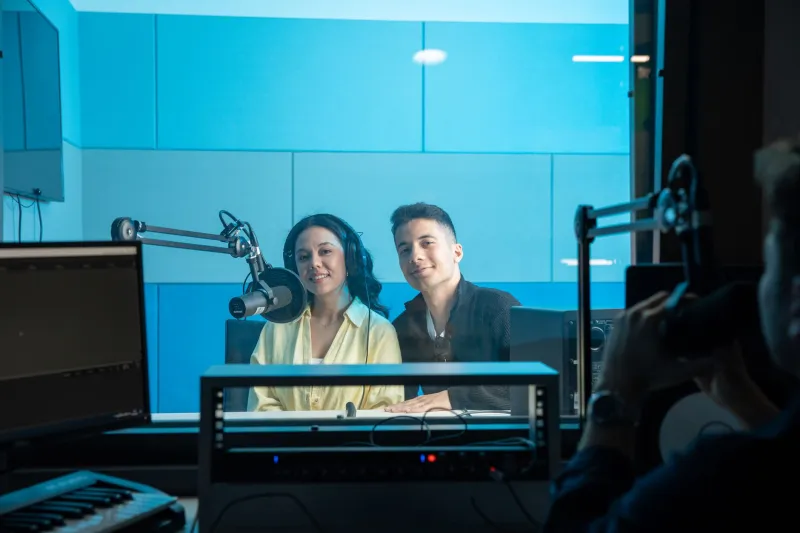
Somewhere in a cramped broadcast booth at a mid-sized university in Ohio, a DJ named Priya is arguing with herself about whether to open her Tuesday night show with a blown-out noise-rock single from a three-piece out of Olympia, Washington, or a lo-fi soul track that landed in her inbox at 2 a.m. from an artist who has fewer than 300 monthly Spotify listeners. She picks the noise-rock. Then changes her mind. Then picks it again. This is the job. This is the whole point.
No algorithm agonizes like that. No playlist curator at a major streaming platform loses sleep over a 300-listener artist from the Pacific Northwest. That's precisely the problem — and precisely why people like Priya matter more right now than almost anyone else in the music ecosystem.
The Playlist Industrial Complex
Let's be honest about what streaming did to discovery. It didn't democratize music — it industrialized curation. Spotify's editorial playlists and algorithmic recommendations are built on engagement data, skip rates, and completion percentages. They're optimized for retention, not revelation. The result is a feedback loop that amplifies what's already working and quietly starves everything else of oxygen.
A 2023 report from the Music Industry Research Association found that the top 1% of artists on Spotify account for nearly 90% of all streams. That's not a discovery engine. That's a popularity contest with a recommendation engine bolted on the side. The serendipity is gone — that electric moment when you catch something on the radio that you weren't looking for and it rearranges your brain a little. Streaming replaced that moment with "Because you listened to..."
Radio DJs — the real ones, the ones doing it for love and spite — never forgot how to manufacture that moment on purpose.
College Radio's Quiet Comeback
College radio was supposed to be dead. For about a decade, it felt that way. Stations lost funding, student interest dipped, and the romantic image of the campus DJ flipping through record stacks felt quaint against the backdrop of Soundcloud and YouTube. But something shifted.
Enrollment in college radio programs has ticked upward at stations across the country — from WKNC at NC State to KALX at UC Berkeley to WFMU, the legendary freeform station out of Jersey City that operates independently but embodies everything college radio was supposed to be. These aren't just nostalgia projects. They're active labs for music culture.
"I play stuff that would never survive an algorithm," says Marcus, a senior DJ at a Big Ten university station who asked that his real name not be used. "Last week I opened with a 12-minute experimental track from a Chicago producer who records everything on busted cassette decks. The phones lit up. People wanted to know who it was. That doesn't happen on Spotify because Spotify would never put that in front of anyone in the first place."
That's the distinction. Algorithms surface what the data suggests you'll tolerate. DJs surface what they believe you need to hear, whether you know it yet or not. It's the difference between a vending machine and a record store clerk who's been doing this for twenty years.
The Pirates Are Still Broadcasting
And then there's the pirate radio world, which never really cleaned itself up and shows no interest in doing so.
Across cities like New York, Chicago, Miami, and Los Angeles, unlicensed micro-broadcasters are still running low-watt FM signals from rooftops, back rooms, and moving vehicles. They're technically illegal under FCC regulations, which makes them either a genuine threat to public airwaves or the most punk thing happening in American media right now, depending on your perspective. Most of us here land pretty firmly in the second camp.
These operators aren't in it for money. There's no monetization strategy, no brand partnership deck, no Patreon goal thermometer. The motivation is almost entirely ideological — a belief that the airwaves belong to communities, not corporations, and that music culture shouldn't be mediated by whoever has the biggest server farm.
"The FCC can shut us down tomorrow," one pirate broadcaster in the Bronx told us over Signal, declining to share any identifying information. "They've tried. But there's always another transmitter. You can't kill an idea with a cease-and-desist."
The artists who benefit from these broadcasts are often the same ones the streaming platforms have effectively buried — local hip-hop acts, experimental electronic producers, DIY punk bands who refuse to hand over their masters. For them, a spin on a pirate station isn't just exposure. It's validation that their work exists in physical space, traveling through actual air, landing in actual ears without a data broker in the middle.
The Art of Breaking an Artist Without a Budget
What's remarkable about the underground radio ecosystem is how effectively it still functions as a genuine launch pad. WFMU has a documented history of breaking artists years before they hit mainstream consciousness. College stations in regional markets have introduced local acts to audiences that eventually became national fanbases. This happens without promotional budgets, without PR firms, without playlist pitching.
It happens because DJs talk to each other. They share records, argue about tracks, send each other music across Discord servers and group texts and the occasional actual piece of mail. There's a whole informal network of underground radio culture that operates completely outside the industry's official channels — and it moves faster than most label A&R departments.
"I heard a demo from a band in Tucson because a DJ in Portland mentioned them on a community forum," says one freeform radio host in Philadelphia. "I played their record three weeks before they had a publicist. By the time the publicist reached out to me, I'd already played it eight times. That's how this works when you let humans run it."
Preservation as Resistance
There's something else happening in these broadcast booths that doesn't get talked about enough: archival work. Many underground radio DJs are functioning as de facto cultural preservationists, playing records that have fallen out of print, spotlighting scenes that commercial music media has already eulogized, and keeping alive a version of American music history that streaming platforms have no financial incentive to maintain.
Spotify's catalog, despite its size, has enormous gaps — licensing disputes, missing metadata, artists who refused to participate, entire genres underrepresented because the engagement data didn't justify the licensing cost. Radio DJs fill those gaps with actual records, actual knowledge, and actual care.
This isn't just sentimentality. It's a form of resistance. Every show that surfaces a forgotten regional punk record from 1987 or breaks a current artist the algorithm would never touch is a small act of defiance against the idea that music culture should be managed by machine logic and shareholder expectations.
What You Can Actually Do
If you want to support this ecosystem, the entry point is embarrassingly simple: listen. Find your local college radio station and tune in. Seek out freeform stations like WFMU, KEXP in Seattle, or WZBC out of Boston College. Follow underground DJs on social media and engage with what they're sharing. When they tell you about a record, go find it — ideally from the artist directly, or from an independent shop.
And if you've ever thought about getting behind a mic yourself, college radio stations are almost always looking for new voices. Most have open enrollment for DJ training. The barrier to entry is basically just showing up.
Priya, back in her Ohio broadcast booth, eventually went with the noise-rock opener. She followed it with a Midwest emo deep cut from 2004, then the lo-fi soul track from the 300-listener artist, then a field recording someone sent her from a protest in Atlanta. No algorithm would construct that sequence. No playlist editor at a streaming giant would greenlight it. And somewhere out there, someone was driving home from a late shift, radio on, hearing something that rearranged their brain a little.
That's still worth fighting for.