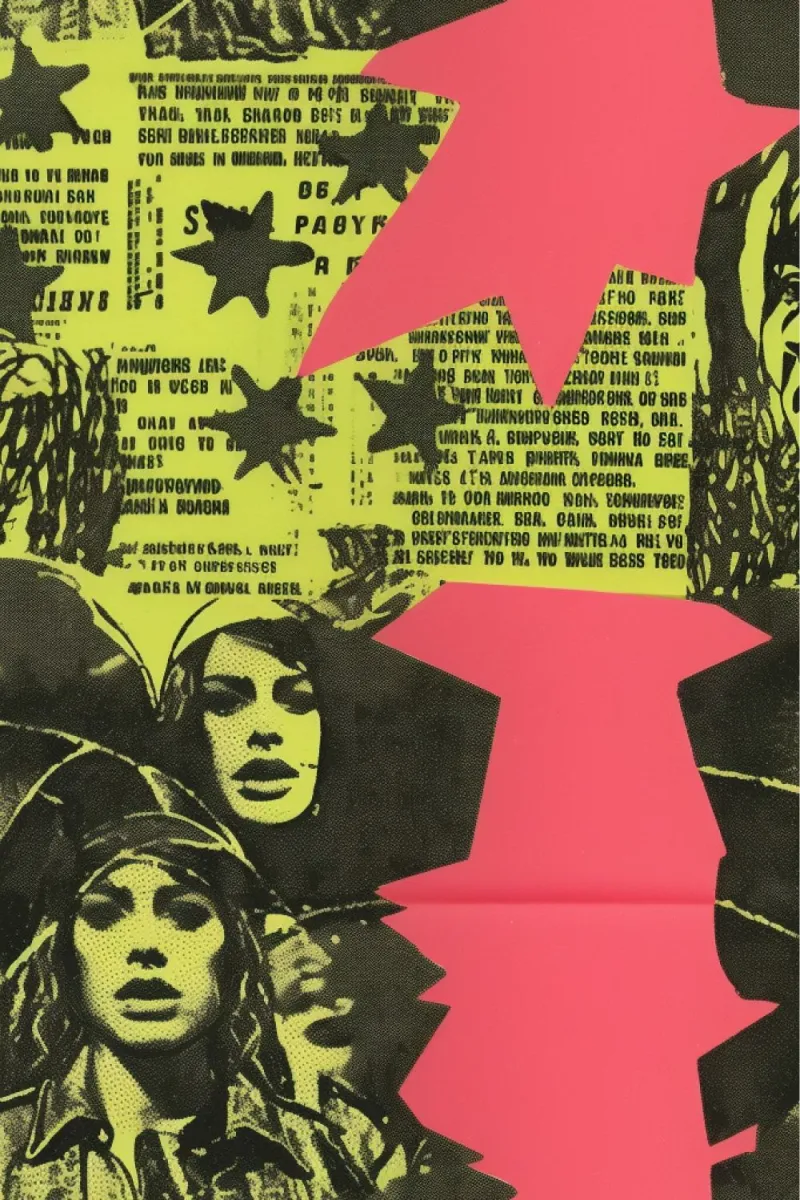
Steal This Sound: How the New Bootleg Underground Is Taking Music Back from the Suits
There's a Discord server somewhere — we're not going to tell you which one — where a few thousand people quietly trade recordings that have never appeared on Spotify, Apple Music, or any streaming platform you've actually heard of. Live sets captured on a phone tucked into a jacket pocket. Alternate takes that got cut from albums. Remixes built by bedroom producers who never asked permission and never planned to. Nobody's getting rich. Nobody's running ads. It's just music, moving between people who actually give a damn about it.
Call it bootlegging if you want. The people doing it have started calling it something else: liberation.
From Shadowy Forums to Organized Communities
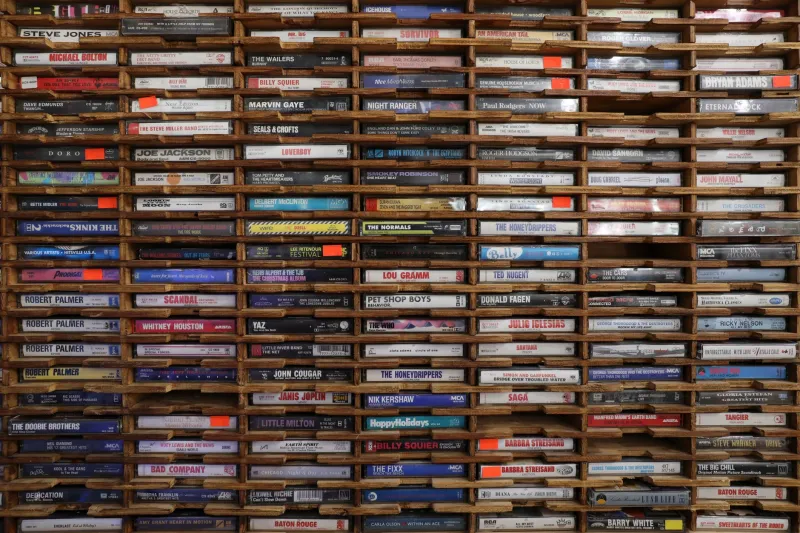
The original bootleg economy ran on physical media — cassette dubs passed hand to hand at shows, CDRs traded through classified ads in the back of zines, VHS tapes of concerts that record labels would rather you forgot existed. It was slow, analog, and genuinely underground in the most literal sense. If you wanted a recording of a legendary Fugazi show from 1991, you knew a guy who knew a guy.
The internet blew that infrastructure wide open in the late nineties and early 2000s, and the major labels responded with a decade of lawsuits, takedowns, and congressional lobbying that turned music piracy into a cultural flashpoint. Most of that original peer-to-peer ecosystem got killed or co-opted. But it didn't disappear — it mutated.
What's emerged in the last five or six years looks less like the chaotic free-for-all of early Napster and more like an intentional cultural project. Private servers, invite-only communities, encrypted file-sharing networks with their own curators and archivists. People who take the preservation and distribution of unofficial recordings as seriously as any librarian or archivist at a major institution. Except these archives exist outside every corporate firewall, and that's entirely the point.
The Artists Who Look the Other Way (Or Quietly Cheer)
Here's the part the music industry doesn't want to talk about: a surprising number of artists are either tolerating this or actively encouraging it.
Not openly, usually. Very few musicians with label deals are going to publicly endorse the distribution of recordings they don't technically own the masters to. But the signals are there if you're paying attention. Artists who conspicuously fail to DMCA live recordings circulating online. Bands who've been known to slip archivists unofficial mixes and then plausibly deny knowing where they came from. Indie artists who post cryptic social media messages pointing fans toward communities where unreleased material just happens to surface.
The logic isn't hard to follow. For artists who've been chewed up by label contracts, watching their work locked in corporate vaults while they see none of the revenue, unofficial distribution starts to look less like theft and more like the only way their music actually reaches people. A recording that's been shelved because it doesn't fit a label's quarterly projections isn't serving anyone sitting in a filing cabinet. Out in the world, it's at least alive.
There's also a longer tradition here worth acknowledging. The Grateful Dead famously sanctioned taper sections at their shows, turning their audience into a distributed recording network decades before anyone used that phrase. Phish followed. Plenty of jam bands and punk acts over the years have treated audience recordings not as a threat but as an extension of the live experience itself — something that belongs to the community that built it.
Surveillance-Era Defiance
What makes the current moment genuinely different — and genuinely interesting — is that it's happening in a climate of unprecedented digital surveillance. Every stream is tracked. Every download is logged. Every search query is a data point feeding into some corporate recommendation engine. The idea of music moving between people without being monetized, analyzed, or optimized for engagement is almost countercultural in itself at this point.
The communities sustaining these bootleg networks are acutely aware of that context. The more sophisticated ones operate with real security consciousness — not because they think they're doing something shameful, but because they've watched enough takedowns and deplatformings to know that visibility equals vulnerability. There's a reason invite-only Discord servers and encrypted file hosts have replaced public torrent sites as the primary infrastructure. The ideology is the same; the operational security is just better.
And the ideology is worth taking seriously. At its core, the argument being made in these communities isn't really about getting music for free. It's about who music belongs to. The dominant industry model treats recordings as assets on a balance sheet, monetizable indefinitely by whoever holds the copyright regardless of whether the artist sees a dime or the music reaches anyone who'd actually appreciate it. The bootleg underground is, in its way, a rejection of that entire framework — a bet that music is a cultural artifact that belongs to the people who care about it, not a revenue stream to be managed by executives who've never been to a show in their lives.
What This Means for the Future
The mainstream music industry's response to all of this has been predictably blunt: more aggressive takedowns, more sophisticated content-ID systems, more legal pressure on hosting platforms. The tools are getting sharper. But so are the communities working around them, and there's a fundamental asymmetry at play. The labels are defending a business model. The bootleggers are defending something they love.
There's also a preservation argument that's genuinely hard to dismiss. An enormous amount of live music history has already been lost because no official entity thought it was worth archiving. The recordings that survived — the ones that let us know what a band actually sounded like on stage in 1977 or 1993 or 2003 — often survived because somebody broke the rules and kept a tape running. The unofficial archives being maintained right now in private servers and encrypted drives are performing a cultural service that the industry is structurally incapable of providing.
None of this is to say the bootleg underground is without complications. Questions about consent matter — particularly when recordings capture artists in moments they might not want preserved. The line between liberating music and simply exploiting it without credit gets blurry in practice. These are real tensions that the communities themselves debate, sometimes fiercely.
But the core impulse — the refusal to accept that music is just content to be licensed and streamed and monetized and eventually deleted when it stops performing — feels not just understandable but necessary. The suits have had the music long enough. Some of us are taking it back.
Found a community worth knowing about? You know where to find us.