Cash Out the Middleman: Underground Musicians Are Wiring Their Own Financial Underground
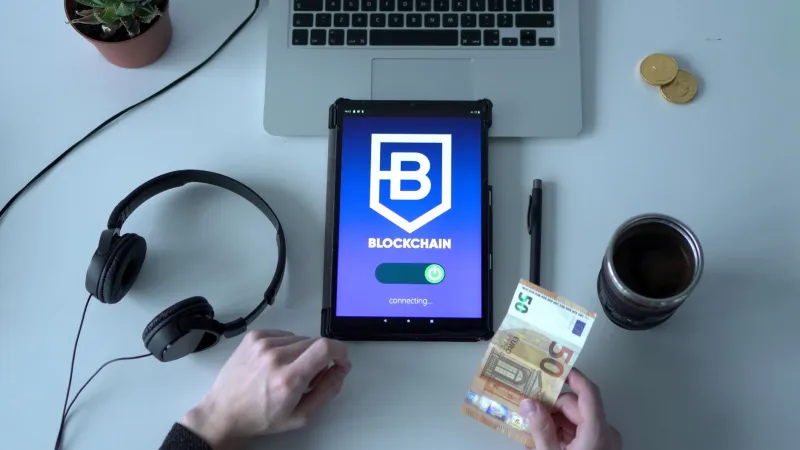
Let's talk about something nobody at a major label wants you thinking about: the moment PayPal froze Marcy Delacroix's account.
Delacroix — a noise-pop artist based out of Cleveland who'd been selling limited-run cassettes and digital downloads directly to fans — woke up one Tuesday morning to find $1,400 locked behind a 180-day hold. No explanation beyond boilerplate language about 'unusual activity.' No appeals process that actually worked. Just silence, and a balance she couldn't touch.
'That money was for pressing costs on my next run,' she says. 'I had pre-orders. I had people waiting. And some algorithm decided I was a risk.'
She's not alone. Across the underground — from bedroom producers in Portland to experimental collectives in Detroit — artists are getting squeezed by the same corporate payment infrastructure that was supposed to liberate them. PayPal, Stripe, Venmo, Square: these platforms were marketed as tools for the little guy. In practice, they've become another layer of gatekeeping, one that's increasingly hostile to independent creative economies.
So artists are building their own rails.
The Problem With Trusting Silicon Valley With Your Money
Here's the thing nobody tells you when you set up your first Bandcamp page or merch store: the payment processor sitting beneath every transaction is not your friend. It's a corporation with its own terms of service, its own risk models, and its own financial incentives — none of which align with the economics of underground music.
PayPal has a documented history of freezing accounts tied to adult content, political speech, and — yes — independent music sales that generate 'irregular' transaction patterns. Stripe, which powers everything from Shopify stores to direct artist websites, has similarly broad language in its acceptable use policy that gives it enormous discretion to terminate accounts with minimal notice.
For a major label, losing access to a payment processor for a week is an inconvenience. For an indie artist running on pre-order cash flow? It's a crisis.
'The whole system assumes you're either a hobbyist who doesn't depend on this money, or a business big enough to absorb the hit,' says Marcus Webb, a developer who's been building payment tools for underground artists for the past three years. 'There's no infrastructure designed for the person in the middle — someone doing this seriously, professionally, but independently.'
Webb is part of a loose network of coders, artists, and financial hackers who've been quietly constructing an alternative.
Crypto Isn't Dead — It Just Went Underground
After the NFT bubble collapsed and took a lot of breathless think-pieces with it, it became fashionable to declare crypto irrelevant to music. That's a mistake. Strip away the speculation and the monkey JPEGs, and what's left is genuinely useful infrastructure for artists who need to move money without corporate permission.
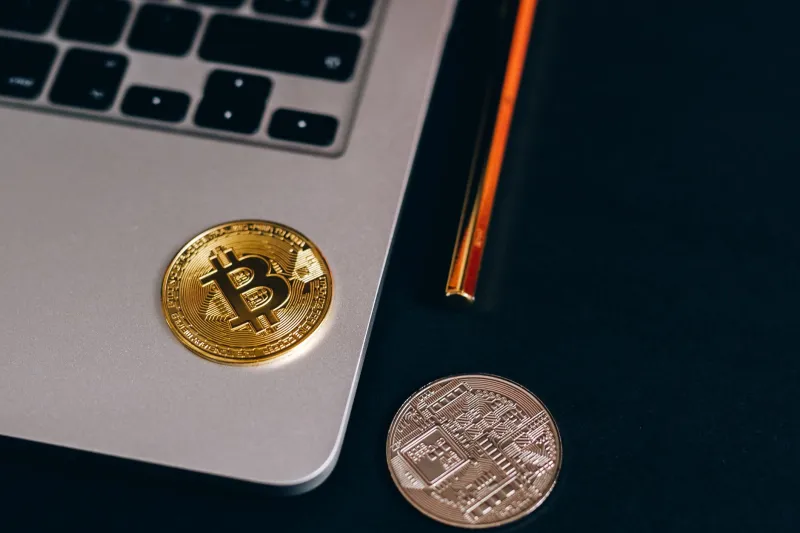
Lightning Network payments — built on top of Bitcoin — allow near-instant, near-zero-fee transactions. Artists like Philadelphia-based producer Kael Simmons have started accepting Lightning tips at live shows via QR codes, cutting out every intermediary between a fan's wallet and his own.
'I made more in Lightning tips at one show than I made from three months of Spotify streams,' Simmons says. 'And I got it immediately. No hold, no fee, no platform taking a cut.'
Ethereum-based systems are being used by collectives to run shared treasuries — essentially digital community funds that multiple artists can draw from for shared expenses like van rental, recording costs, or pressing fees. These DAOs (decentralized autonomous organizations) sound intimidating, but in practice they function like a DIY co-op bank, governed by the members themselves.
The barrier? Onboarding. Getting fans comfortable with crypto wallets remains a genuine friction point, particularly for audiences that skew older or less tech-forward. Artists are solving this in creative ways — some offer small incentives for fans who set up wallets, others run hybrid systems that accept both traditional and crypto payments.
Peer-to-Peer and the Return of the Honor System
Not every solution involves a blockchain. Some of the most interesting alternatives are deliberately low-tech.
A network of underground venues across the Midwest has started using a modified version of Open Collective — a transparent fundraising platform originally designed for open-source software communities — to manage door splits, artist payments, and collective expenses. Every transaction is visible to all members. There's no hidden fee structure, no algorithm deciding who gets paid first.
Other artists are going even simpler: cash-first economies at shows, supplemented by direct bank transfers via Zelle for online sales, keeping transactions beneath the threshold that triggers automated scrutiny from payment processors.
'It sounds old-fashioned, but it works,' says Delacroix, who rebuilt her sales infrastructure after the PayPal freeze. 'I take Zelle, I take cash at shows, and for bigger purchases I use a platform called Ko-fi, which has been solid. My money is mine again.'
Ko-fi, along with platforms like Gumroad and the artist-focused Buy Me a Coffee, represent a middle ground — still centralized, still technically subject to terms of service, but with track records that are meaningfully better than PayPal's when it comes to creator-friendly policies.
What's Still Broken
Let's not pretend any of this is a clean solution. The decentralized payment ecosystem for independent music is fragmented, inconsistent, and genuinely hard to navigate without technical knowledge that most artists don't have and shouldn't need.
Crypto volatility is real. An artist who accepted Bitcoin for a merch run in November might find that payment worth 30% less by the time they need to spend it. Stablecoins address this partially, but add their own layer of complexity.
Legal gray areas persist. How you report crypto income for tax purposes is still murky enough that plenty of artists are flying blind, which creates risk down the line.
And there's a class dimension to all of this that's worth naming: artists with technical backgrounds, or with access to communities where this knowledge circulates, have a significant advantage over those who don't. The underground has always had its own hierarchies; this is a new one.
'We need better tooling, and we need better education,' says Webb. 'Right now this stuff is accessible to people who already know where to look. That's not good enough.'
The Bigger Picture
What's happening here isn't just about payment processing. It's about who controls the economic infrastructure of independent creative work — and whether artists will ever stop being at the mercy of corporations that view them as liability rather than value.
Every time an artist sets up a Lightning wallet, every time a collective builds a shared treasury, every time someone routes around PayPal's freeze policy with a direct bank transfer, they're making a small structural argument: that the financial layer of music doesn't have to be owned by Silicon Valley.
It's not a revolution yet. It's infrastructure work — unglamorous, technical, often invisible. But infrastructure is where power actually lives.
Marcy Delacroix got her account unfrozen eventually. The $1,400 came through. She used it to press the cassettes. But she doesn't use PayPal anymore.
'I'm not giving them another chance to do that to me,' she says. 'I'd rather figure out something harder than stay dependent on something that can disappear my money whenever it feels like it.'
Sounds about right.