Weapons of Mass Creation: How DIY Artists Are Turning AI Into a Corporate Killshot
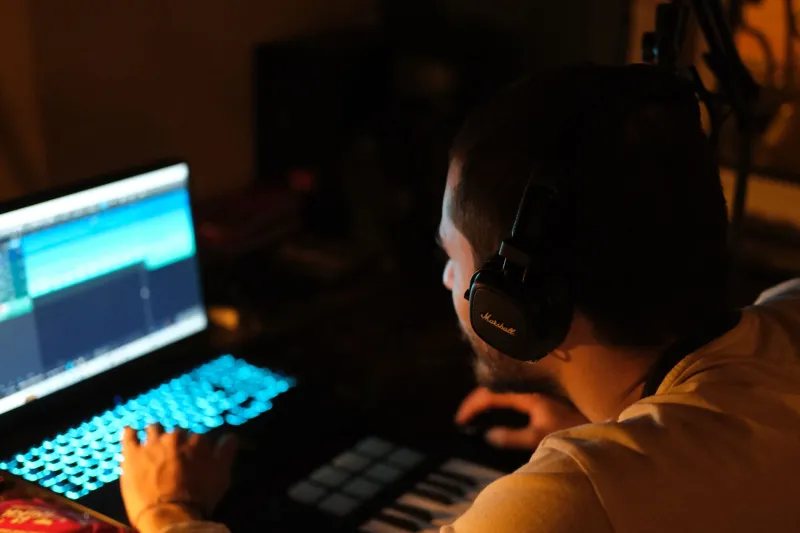
Somewhere in a one-bedroom apartment in Albuquerque, a musician with no label, no manager, and no publicist just dropped an album. The cover art? Generated overnight. The mixing? Assisted by open-source software trained on thousands of hours of audio. The promotional campaign? Automated, targeted, and entirely self-directed. Total cost: under two hundred bucks.
The major labels, meanwhile, spent the better part of last year hiring lawyers.
That's the gap. That's the whole story, really — but let's dig into it, because what's happening at the intersection of AI and underground music right now is one of the most genuinely radical shifts the DIY scene has ever seen. Not because AI is magic. Not because it's replacing artists. But because the same technology that the industry wants to weaponize against independent creators is being flipped, modified, and handed back like a loaded weapon.
The Label Playbook Is Broken, and AI Broke It
For decades, the major label system ran on scarcity. Scarcity of studio time. Scarcity of distribution channels. Scarcity of professional-grade production. You needed them to access any of it. That was the deal — sign away your masters, your creative control, a chunk of your touring income, and in return, you got access to the infrastructure.
AI just torched the infrastructure argument.
Open-source tools like Stable Diffusion for visual art, Suno and Udio for audio experimentation, and a growing ecosystem of community-built production assistants have collapsed the cost of making something that sounds and looks genuinely professional. We're not talking about lo-fi bedroom pop with charm — we're talking about artists generating radio-ready instrumentation, layering their own vocals on top, and shipping the whole thing without ever setting foot in a commercial studio.
The gatekeepers built their walls around resources. The resources are gone. The walls are just vibes now.
Open Source Is the Real Underground
Here's something the tech press mostly misses when they cover AI music: the tools that matter most to the underground aren't the slick, venture-backed platforms with usage fees and content restrictions. They're the messy, community-maintained, forum-distributed open-source projects that nobody's writing think pieces about.
Artists on Reddit communities, Discord servers, and niche forums are sharing model weights, trading prompt libraries, and collaborating on custom-trained AI tools built specifically for genres that commercial platforms don't care about — noise, black metal, experimental electronic, hyper-specific regional rap subgenres. These communities are doing what underground music communities have always done: building their own infrastructure because the mainstream one doesn't serve them.
A producer in Detroit running a one-person label described it like this: training a small audio model on your own catalog and using it to generate stems you can rework isn't outsourcing creativity — it's like having a sampler that learned from you. It's an instrument. And like every instrument from the electric guitar to the drum machine, the industry will call it a threat right up until they figure out how to monetize it.
Cover Art, Merch, and the Death of the Art Department
Beyond the music itself, AI has quietly dismantled another layer of the professional barrier: visual identity. Hiring a graphic designer, a photographer, a layout artist — for an independent artist on a tight budget, that's often the difference between looking legitimate and looking like you made your album cover in Microsoft Paint.
Now? Artists are using image generation tools to create entire visual worlds around their releases. Not just cover art — merchandise mockups, social media assets, music video storyboards, even animated lyric videos. One underground electronic duo in Chicago reportedly built their entire debut EP rollout — artwork, tour poster templates, merch designs — using a combination of Midjourney and open-source vector tools over a single weekend.
Is the output always perfect? No. Is it better than nothing, and is it getting better fast? Absolutely.
The important thing isn't that AI is producing masterpiece album covers. It's that the decision about what your art looks like no longer requires a budget, a connection, or a label's approval. That's power, and it's sitting in the hands of people who were shut out before.
Promotion Without the Machine
The third front in this quiet revolution is marketing. Traditional label promo infrastructure — radio pluggers, press relationships, playlist pitching services — costs money most independent artists don't have. And the alternative, trying to game social media algorithms organically, is a full-time job that has nothing to do with making music.
A growing number of DIY artists are using AI tools to handle the grunt work of promotion without surrendering to the algorithm's demands. Automated email campaigns built with AI copywriting tools. Targeted ad copy generated and A/B tested without an agency. Press release drafts that artists can customize rather than write from scratch at midnight after a day job shift.
None of this is glamorous. But it's functional, it's cheap, and it's keeping artists in control of their own narrative. The labels built empires on the premise that artists couldn't do this stuff themselves. Turns out they just needed better tools.
The Backlash Is Already Here — And It's Predictable
Let's be honest about the counter-argument, because it's real and it deserves engagement. There are legitimate concerns about AI-generated music flooding platforms, making it harder for human artists to be discovered. There are real questions about what gets used to train these models and whether artists whose work fed the machine deserve compensation. Those conversations are worth having.
But notice who's loudest in the anti-AI chorus. It's not primarily independent artists worried about their livelihoods — though some are, and that's valid. It's the major labels, who spent decades building systems that exploited those same artists, now suddenly positioning themselves as protectors of human creativity. The same industry that signed away artists' masters, pocketed streaming revenue, and built careers on the labor of underpaid session musicians is now deeply concerned about fairness.
Skepticism is warranted.
The underground has always had to navigate tools that the mainstream tried to control — photocopiers, the internet, DAWs, social media. AI is the next one. The question isn't whether it's perfect. The question is who gets to decide how it's used and who benefits from the answer.
What Comes Next
The artists who are figuring this out right now — the ones building workflows, sharing knowledge in Discord servers, training models on their own sound — they're not waiting for permission. They're not waiting for a label to validate them or a platform to feature them or a journalist to profile them.
They're just making things. Faster, cheaper, and more independently than any previous generation of underground artists could.
The major labels will eventually adapt, co-opt, and try to monetize all of this. That's what they do. But there's a window right now where the tools are accessible, the knowledge is being shared freely, and the gatekeepers are still busy arguing about whether the gate should exist.
Walk through it. Build something. The ghost in the machine is on your side — if you know how to talk to it.