Warehouses, Basements, and Parking Lots: The DIY Promoters Refusing to Let Live Nation Own Live Music
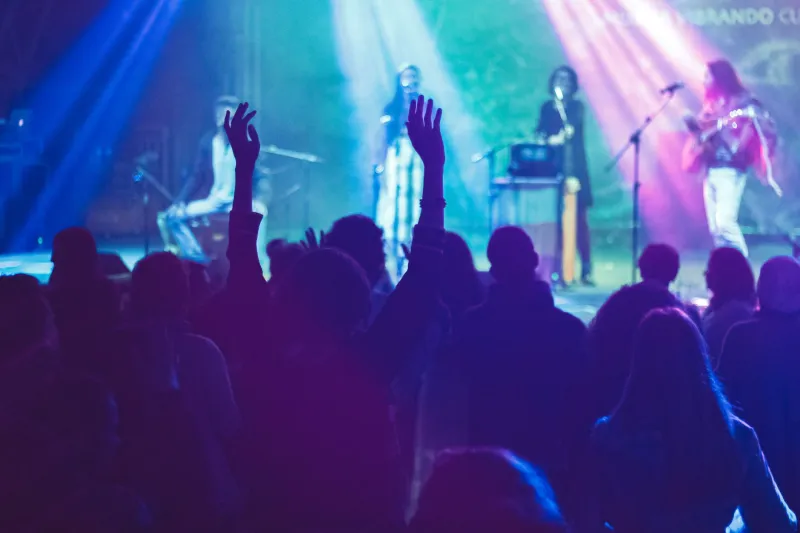
Somewhere in a repurposed textile warehouse on the outskirts of Detroit, about 300 people are packed shoulder-to-shoulder watching a post-punk band from Louisville tear through a forty-minute set with zero opening remarks, zero $18 beers, and zero Ticketmaster service fees. There's a folding table near the door where someone's cousin is selling zines and homemade hot sauce. The PA system is borrowed. The lighting rig is two clamp lights and a strand of red Christmas bulbs. It is, by every conventional metric, a disaster. It is also, by every metric that actually matters, exactly what live music is supposed to feel like.
This is what's growing in the cracks of the corporate live entertainment machine — and it's growing fast.
How We Got Here: The Slow Strangulation
Let's not sugarcoat what happened. Live Nation's 2010 merger with Ticketmaster — rubber-stamped by a Department of Justice that apparently had better things to do — created a vertically integrated entertainment leviathan with its fingers in venue ownership, artist management, ticketing, and promotion simultaneously. The conflict of interest was so obvious it was almost artistic. Independent venues, which had always operated on razor-thin margins, suddenly found themselves competing against a company that could afford to lose money on a show because it was making it back on fees, parking, concessions, and the next fifteen venues down the road.
Small clubs started closing. Mid-size rooms got bought out or priced out. The ones that survived often did so by signing exclusive ticketing deals that handed a percentage of every transaction to the same conglomerate that was undercutting them on booking. By the time the pandemic hit and wiped out two years of revenue, hundreds of independent venues that had been white-knuckling it through the corporate squeeze simply didn't come back.
The 2024 DOJ antitrust lawsuit against Live Nation — which accused the company of monopolizing the live entertainment market through coercion, retaliation against venues that booked non-Ticketmaster artists, and acquisitions designed to eliminate competition — was a long time coming. Whether it produces meaningful structural change is another question entirely. The underground scene isn't waiting around to find out.
The Guerrilla Infrastructure
What's emerged in response isn't a single movement with a manifesto and a mailing list. It's messier and more interesting than that. Across the country, loose networks of promoters, artists, and community organizers are cobbling together alternative live music ecosystems using whatever's available — warehouses, basements, rooftops, community gardens, barbershops, record stores, church halls, parking structures, and at least one laundromat in Philadelphia that hosted a monthly ambient series for two years before the landlord found out.
In Chicago, a collective called Mutual Ground has been coordinating popup shows across the South and West sides since 2021, specifically targeting neighborhoods that corporate venues have never bothered to serve. They operate on a sliding-scale door model, keep lineups hyperlocal, and reinvest proceeds into a shared equipment pool that any affiliated promoter can borrow from. It's not glamorous. It's also completely self-sustaining.
Out in Los Angeles, a promoter who goes by Sable has been running an ongoing warehouse series in Boyle Heights that's become a genuine institution despite — or maybe because of — its total refusal to advertise through conventional channels. Shows are announced via encrypted group chats and physical flyers stapled to telephone poles. Capacity is capped at 200. Every show sells out. "The scarcity is the point," Sable told a local zine last year. "When something feels rare and real, people protect it. They don't just consume it and scroll on."
In New York, where rising rents have wiped out generations of underground venues, organizers have gotten creative with short-term commercial leases — booking empty storefronts and retail spaces for single-night or weekend-long runs, then moving on before anyone can shut them down or jack up the price. It's transient by design, which cuts against the traditional wisdom that a scene needs a home base. But it also makes the scene nearly impossible to gentrify, because there's nothing permanent enough to gentrify.
The Real Costs Nobody Talks About
None of this is easy, and anyone romanticizing the warehouse show circuit without acknowledging the infrastructure nightmare is selling you something. Liability is a constant, grinding anxiety. Most DIY spaces operate without proper permits, which means one noise complaint or one injury can end everything overnight. Sound systems fail. Generators overheat. The person who was supposed to handle the door texts that they're stuck in traffic and suddenly the promoter is doing three jobs at once while also trying to watch the stage.
Access is a real issue too. Venues without ramps, accessible bathrooms, or reliable public transit connections exclude huge portions of the community that DIY culture claims to serve. It's a tension that serious organizers are grappling with openly — because the alternative is building a countercultural space that replicates the same exclusions as the mainstream infrastructure it's supposed to replace.
And the money math is brutal. When you're charging $12 at the door and splitting it between three bands, a sound engineer, and the cost of renting the space, there's often nothing left. Promoters eat losses. Artists play for gas money. The whole thing runs on passion and community obligation, which is beautiful right up until someone burns out and walks away.
What They're Building That Can't Be Bought
Here's the thing that the corporate entertainment model fundamentally cannot replicate, no matter how much money it throws at the problem: the feeling that you are part of something that belongs to you.
When you buy a ticket through Ticketmaster to see a band at a Live Nation venue, you are a consumer completing a transaction. The experience has been optimized for throughput and revenue extraction. The beer is $18 because they can charge $18. The service fee exists because they can add a service fee. You are not a participant. You are a revenue unit.
When you show up to a warehouse show where the promoter is also working the door and the drummer from the headlining band helped carry in the PA, something different happens. You are implicated in the thing. It only exists because people like you showed up. That's not a marketing strategy — it's an actual social contract, and it creates the kind of loyalty and community attachment that no amount of algorithmic targeting can manufacture.
The collectives building these spaces aren't just throwing shows. They're creating infrastructure for scenes to develop outside corporate gatekeeping — places where weird, uncommercial, genuinely risky music can exist and find its audience without needing a booking agent's blessing or a playlist placement to survive.
The Fight Isn't Over — It's Just Moving
Live Nation isn't going anywhere soon. The DOJ case will grind through the courts for years. Rents will keep rising. Cities will keep failing to protect the independent venues that define their cultural identities until after those venues are already gone.
But the underground is adaptive by nature. It's been adapting for decades, and every time the mainstream closes a door, someone finds a loading dock to prop open instead. The warehouse shows will keep happening. The basement gigs will keep happening. The parking lot concerts and the laundromat ambient nights and the rooftop sessions that technically violate about four city ordinances — all of it will keep happening, because the people doing it aren't in it for the profit margin.
They're in it because live music, real live music, is one of the few experiences left that can't be fully digitized, streamed, or service-fee'd into submission. And that makes it worth fighting for in whatever space is available.
Even if that space is a repurposed textile warehouse with two clamp lights and someone's cousin selling homemade hot sauce by the door.